Efficiency v effectiveness: Why Deloitte chose human-centered learning
Is efficiency really the goal of L&D – or have we been optimizing for the wrong thing? In this episode of Learning at Large, we’re joined by Neil Hunter, Chief Learning Officer at Deloitte Canada, who’s on a mission to put people – not processes – back at the center of learning.
Neil shares how his team is using neuroscience, experimentation, and empathy to reframe what “effective” really means in the modern learning landscape.
Watch the full podcast video
Top tips for putting humans back at the center of learning
Don’t have time to listen now? Here’s a quick summary of what you’ll learn in this episode:
- Shift from efficiency to effectiveness – the best learning experiences aren’t always the quickest or easiest.
- Design for growth, not delivery – build environments where people can learn naturally, not just consume content.
- Develop the whole human – skills outside work can strengthen curiosity and performance inside it.
- Harness the science of learning – use insights from neuroscience to design experiences that truly stick.
- Start with mindset and storytelling – curiosity, context, and connection drive lasting learning impact.
1. Shift from efficiency to effectiveness
Neil challenges L&D’s long-standing obsession with speed and volume. Focusing purely on efficient delivery, he argues, has made learning operationally slick but strategically shallow. Instead of optimizing content pipelines, L&D should design for human outcomes – from curiosity to competence – and measure effectiveness over time, not throughput.
“Some of the best learning experiences are the least efficient. They’re really clunky, but they make a real impact on what people remember.”
2. Design for growth, not delivery
Learning, says Neil, is a natural human state. The role of L&D isn’t to add more content, but to remove barriers that stop growth. At Deloitte, that means designing for the brain, not the schedule – slowing down when needed, building in reflection, and creating conditions where learning can take root.
“All living things in their most natural state are designed to grow. If they’re not growing, something in the environment is limiting that growth.”
3. Develop the whole human
From chef school to improv classes, Neil’s team is investing in personal passions as a way to unlock professional potential. Programs that support creativity, curiosity, and play don’t just boost engagement – they build the scaffolding for faster learning and more adaptive thinking across the business.
“When we honor those things and stay curious, we find new capabilities and skills that have tangential impact on how we deliver and think.”
4. Harness the science of learning
Partnering with neuroscientists, Deloitte is experimenting with how brain chemistry and sound affect recall and engagement. Using smart-tech tools, Neil’s team can now see when learners are in the optimal mental state for learning. From tracking brainwaves to exploring the role of music in memory, these pilots are revealing new ways to make learning more “sticky” – and more human.
“When dopamine and oxytocin fire at the same time, whatever is going on at that moment is written on the supercomputer instead of the floppy disk.”
5. Start with mindset and storytelling
For teams without access to fancy neuroscience, Neil says the real transformation starts with mindset. Shifting from order-taking to trusted partnership with the business. He also emphasizes storytelling – capturing and sharing how people learn, not just what they complete. Those narratives build credibility, connection, and a culture where learning thrives.
“Get very curious about what the business really needs when they’re seeking capabilities. Understanding that and delivering effectively is the most efficient way to grow L&D’s impact.”
About Neil
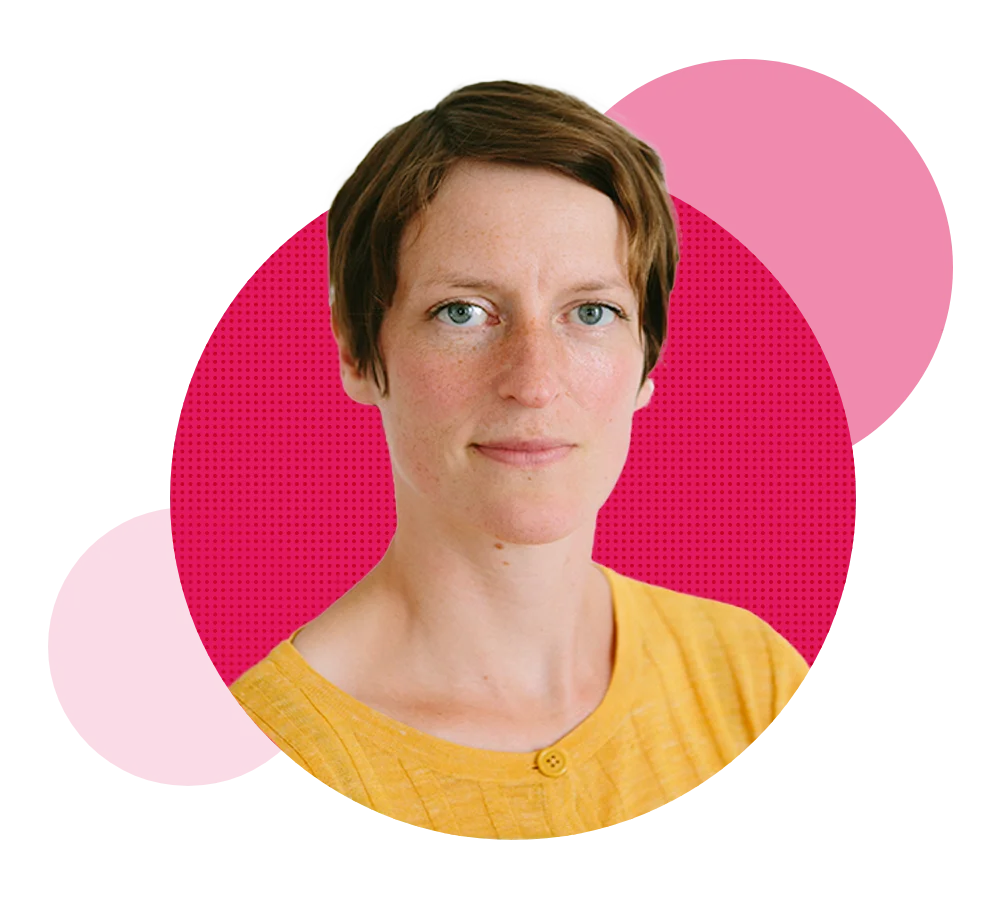
Neil is the Chief Learning Officer for Deloitte Canada, where he’s driving a human-centered approach to learning, grounded in neuroscience, experimentation, and purpose. With a mandate from the board “to build better humans,” Neil is reshaping what effectiveness means for learning at scale.
Connect with Neil on LinkedIn.
Want more learning insights?
Stay ahead with the latest tips, expert learnings, and best practices from top learning managers and global leaders – delivered straight to your inbox. The Learning at Large newsletter brings you insider content each month to help you create, manage, and deliver engaging learning at scale.
Subscribe now and never miss an edition!
Enjoyed the podcast? Don’t forget to rate it in your favorite podcast app. Thanks for tuning in – we’ll see you next time!
Subscribe
Never miss an episode of the Learning at Large Podcast
Subscribe now